Species & Systems
Shrimp and Mud Crab
Shrimp and mud crab are Andhra Pradesh's most valuable aquaculture exports and are often the first species entrepreneurs ask about. They are brackish-water animals. These profiles explain what they need and why a freshwater site does not automatically support them.
Whiteleg shrimp
Penaeus vannamei (Litopenaeus vannamei)
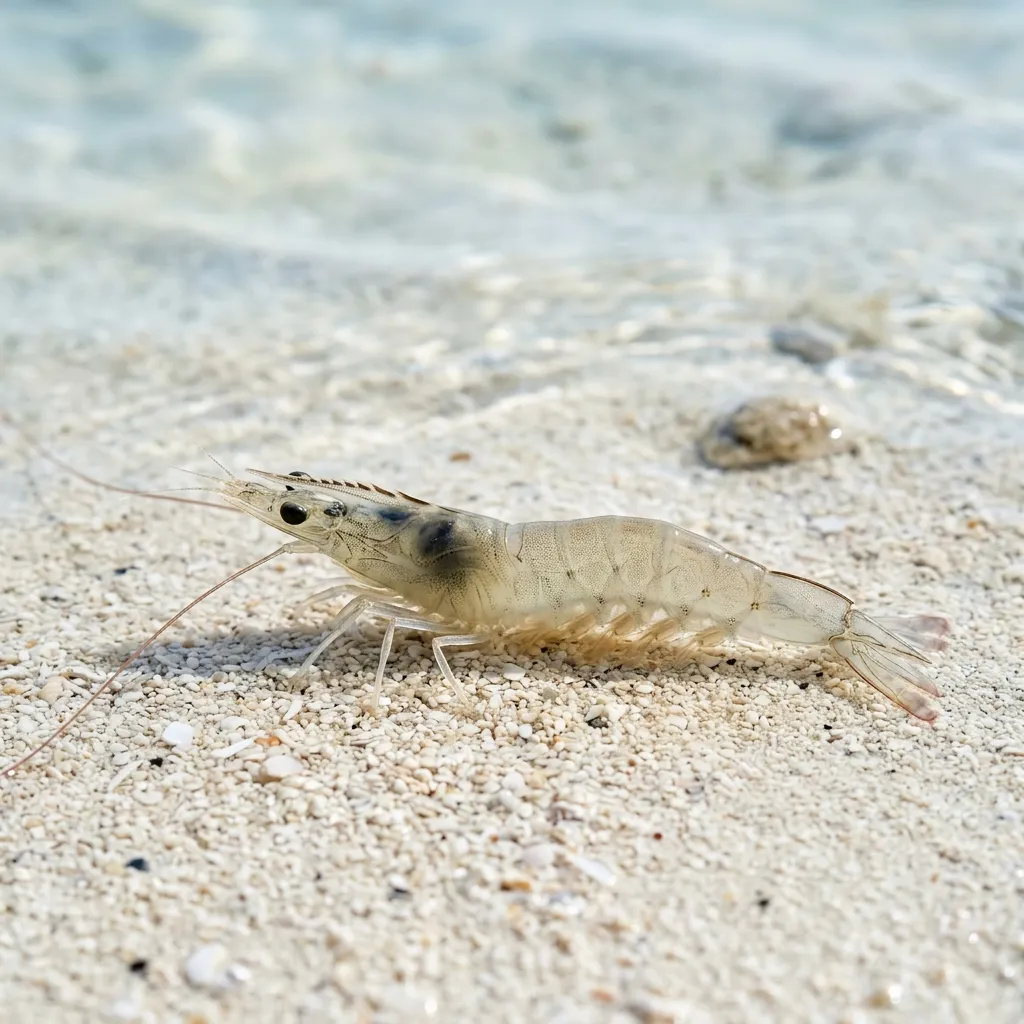
Illustrative image.
- The dominant farmed shrimp worldwide and in India, grown in coastal ponds, biofloc and increasingly in indoor systems.
- Tolerates a wide salinity range, which has allowed low-salinity inland culture in some regions under specific conditions.
- Highly susceptible to viral and bacterial diseases; biosecurity and specific-pathogen-free seed are central.
- Stocking in India requires post-larvae from registered hatcheries using imported SPF broodstock under regulation.
- Inland saline culture raises concerns about soil and groundwater salinisation that must be managed responsibly.
Black tiger shrimp
Penaeus monodon
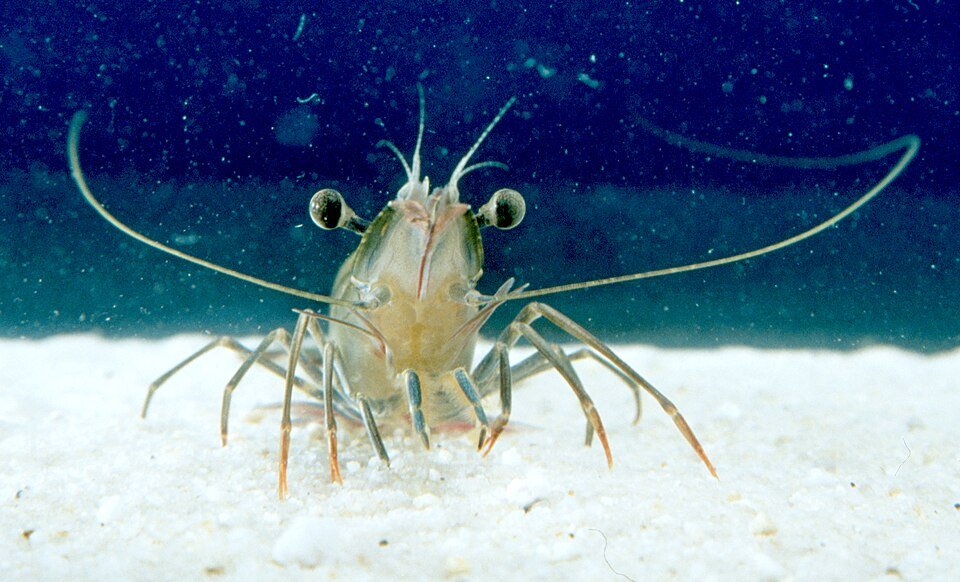
Photograph: CSIRO Marine Research, CSIRO · CC BY 3.0. Depicted: Penaeus monodon. Wikimedia-provided thumbnail downloaded without further image edits; source page records any earlier changes.

- Native to the Indian Ocean; larger size and premium price in some markets.
- Historically the main farmed shrimp before whiteleg became dominant.
- Lower densities and careful disease management; domesticated SPF lines are expanding availability.
Mud crab
Scylla serrata
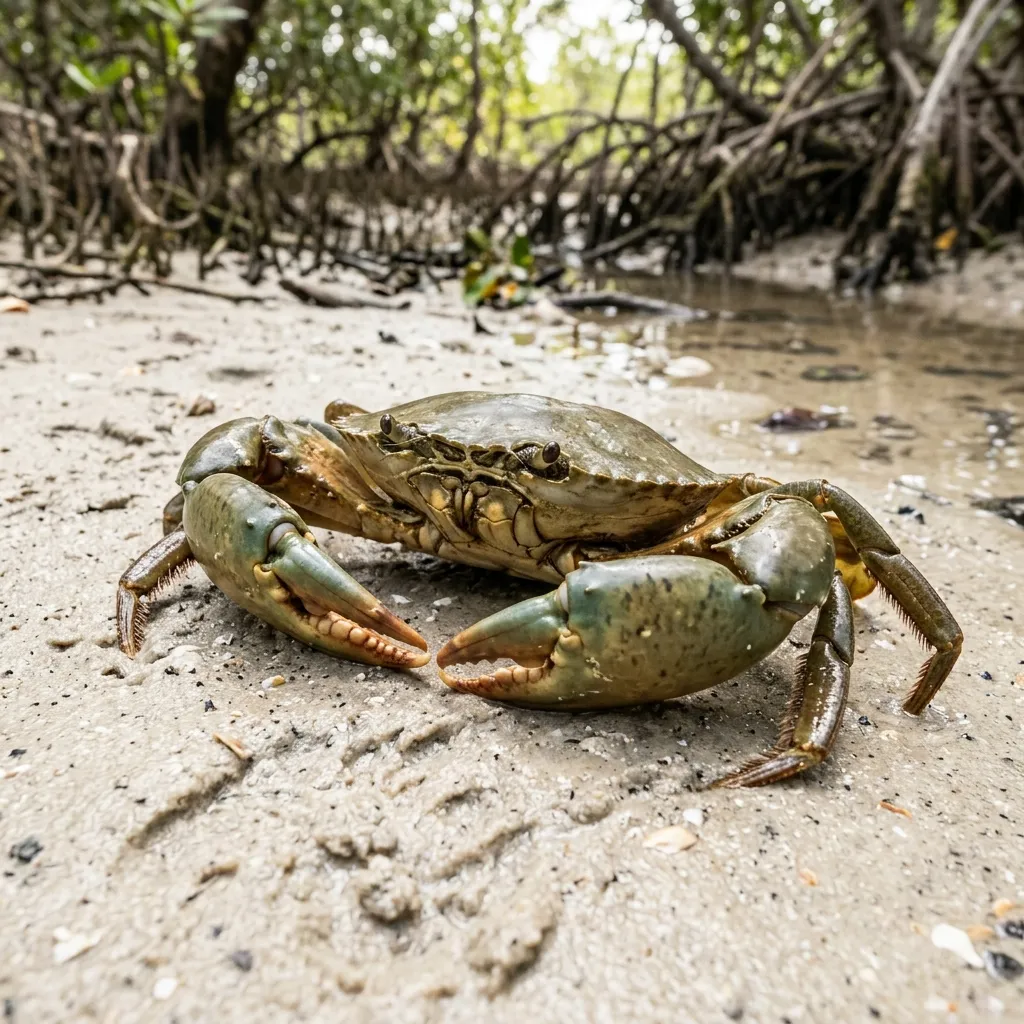
Illustrative image.
- High-value crab farmed in brackish ponds, pens and individual box systems; crab fattening and soft-shell production are common models.
- Requires brackish water and cannot be farmed in freshwater.
- Cannibalistic; individual compartments or shelters improve survival.
- Hatchery seed supply is developing; much culture still relies on wild-caught juveniles, raising sustainability questions.
Why salinity decides location
Shrimp and mud crab regulate their body salts in relation to the surrounding water. Outside their salinity range they stop feeding, moult poorly and die. Coastal and estuarine sites supply brackish water naturally. Inland sites must either have saline groundwater or add salt, and in both cases saline effluent threatens surrounding agriculture if it is not contained. Regulations in several states restrict inland shrimp culture for this reason.
Biosecurity as the central practice
White spot syndrome virus, Enterocytozoon hepatopenaei and acute hepatopancreatic necrosis disease have caused heavy losses in Indian shrimp farming. Screening of post-larvae, reservoir treatment of inlet water, crab and bird fencing, dedicated equipment and controlled access are standard measures. Indoor and recirculating systems extend these protections at higher cost.
Markets and value chain
Most Indian shrimp is exported, making farmers sensitive to international prices, antibiotic residue testing and traceability requirements. Mud crab is traded live to domestic and export markets, where handling and transport quality determine value. The value chain page explores these themes.